
Car Key Replacement by Brand: Why One Process Does Not Fit All
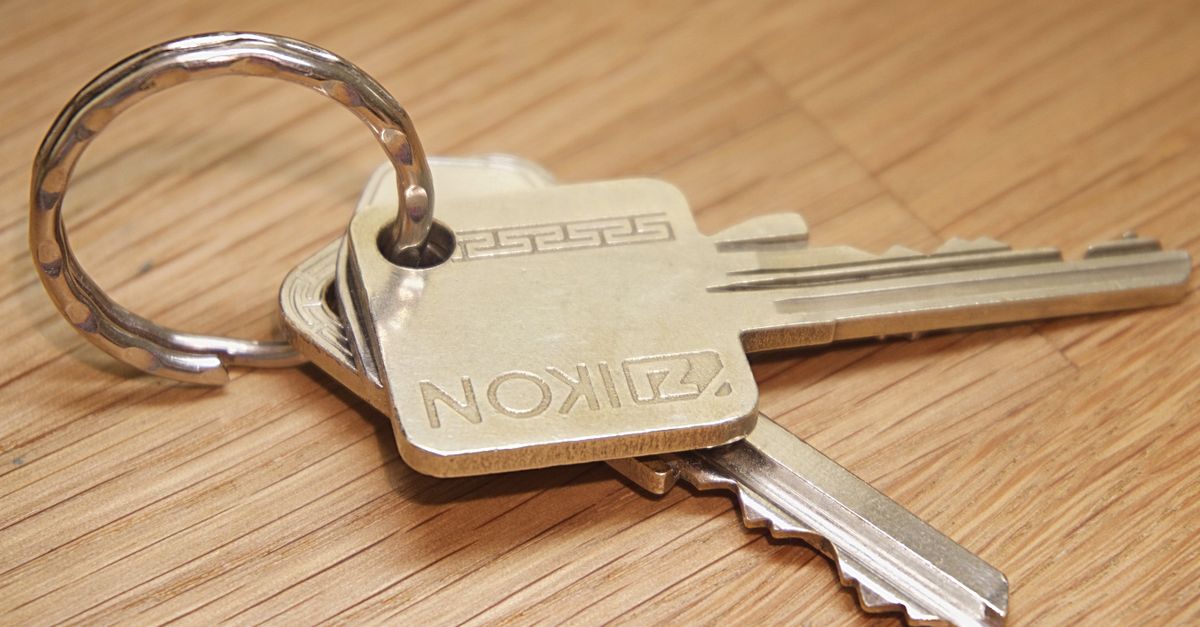
Cutting and programming a replacement key is not a universal procedure — the steps, equipment, and parts vary significantly depending on the make, model, and year of your vehicle. A basic transponder key for a mid-2000s Honda Civic requires a different cutting profile and chip initialization sequence than a smart proximity key for a 2022 BMW 5 Series or a push-to-start fob for a Hyundai Tucson. Our technicians carry an extensive inventory of key blanks and programmable transponder chips that covers a wide range of domestic and import vehicles, and our diagnostic programming units communicate directly with each car's onboard computer using the correct manufacturer protocols. That means we can serve a Wellesley Hills resident with a Land Rover Discovery just as efficiently as a student near Wellesley College driving an older Chevrolet Impala.
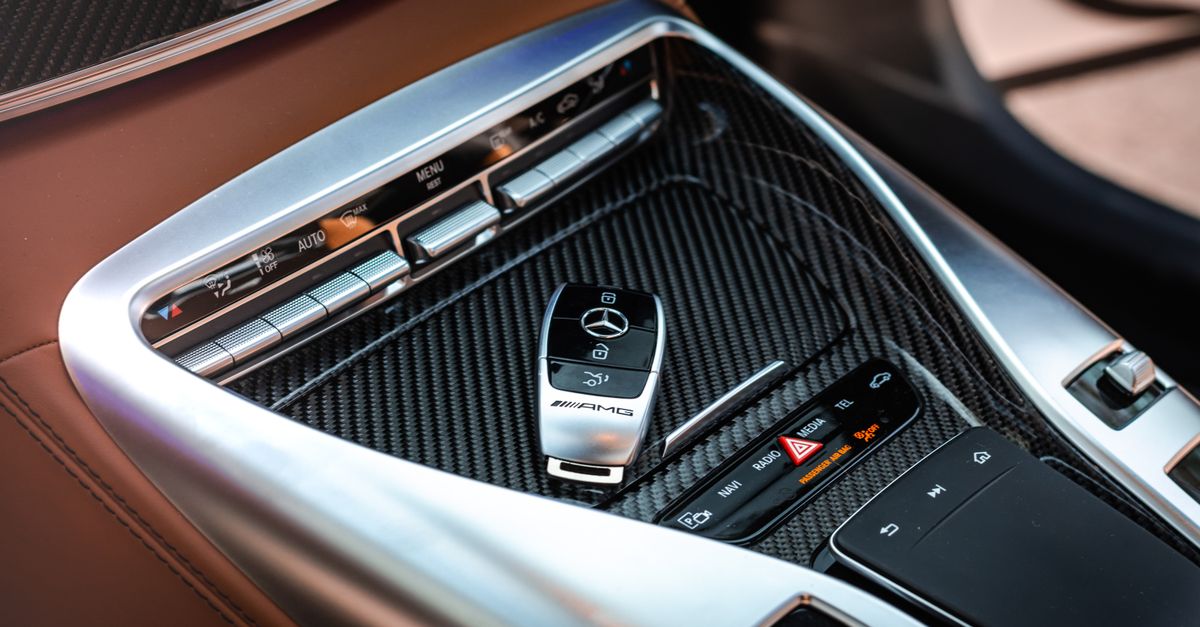
For domestic brands — Ford, GM, Chrysler, Dodge, and Jeep — transponder programming often involves a specific sequence of ignition cycles combined with an OBD-II connection to the vehicle's ECU. For European marques such as BMW, Mercedes-Benz, Audi, and Volkswagen, the process typically requires dealer-level diagnostic software to authenticate and pair the new key. Japanese and Korean brands like Toyota, Lexus, Honda, Acura, Nissan, Infiniti, Hyundai, and Kia each have their own immobilizer architectures. Luxury proximity keys and smart-entry systems for any brand add an additional RF pairing step. Our team is trained across all these platforms, so nothing about your vehicle's specific security architecture will slow the process down.