What Is a Mortise Lock and Why Do Wellesley Homes Have So Many of Them?
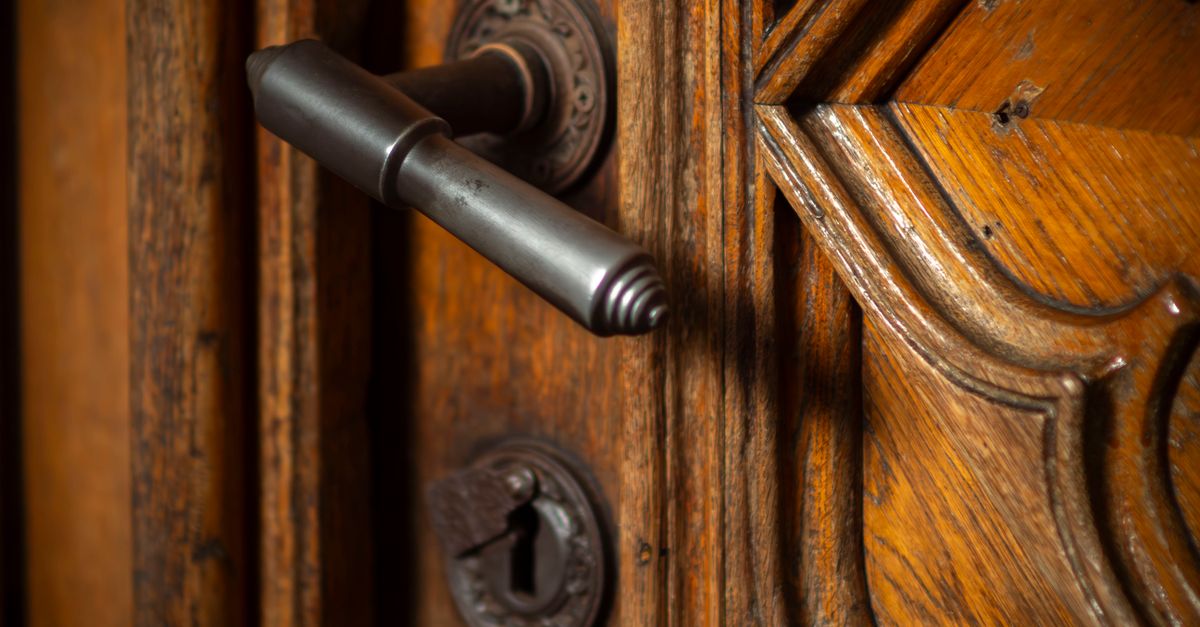
A mortise lock is a lock mechanism that is set into a deep rectangular pocket — the mortise — cut into the edge of a door, rather than sitting on the door's surface the way a cylindrical knob or lever set does. The body of the lock contains the latch, the deadbolt, and all the associated levers and springs inside the door itself, leaving only the trim, the handles, and the mortise lock cylinder visible from the outside. Because the hardware is recessed, there is far less exposed metal to attack, which is one reason architects and builders specified mortise lock sets on higher-end residential and commercial construction from roughly the 1880s through the mid-20th century. Wellesley was developed heavily during that window — the town's historic district alone contains hundreds of properties that originally shipped from the factory with Corbin, Yale, Russwin, or similar heavy-duty hardware. Many of those locks are still in their original doors today.
The practical consequence for homeowners is that when something fails — a worn cam, a broken tailpiece, a seized mortise lock cylinder, a stripped spindle — the repair is not a simple deadbolt swap from a hardware store shelf. The parts are specific, the tolerances are tight, and working inside the door pocket without damaging the door, the finish, or the surrounding woodwork takes genuine skill. Our technicians have hands-on experience with the full range of legacy and contemporary mortise hardware, from antique Corbin Russwin mortise lock bodies to current Baldwin mortise lock sets and electric mortise lock systems used in both residential and light commercial applications.