Jemmy Locksmith Service Team
Local locksmith team
Jul 6, 2026 12 min read
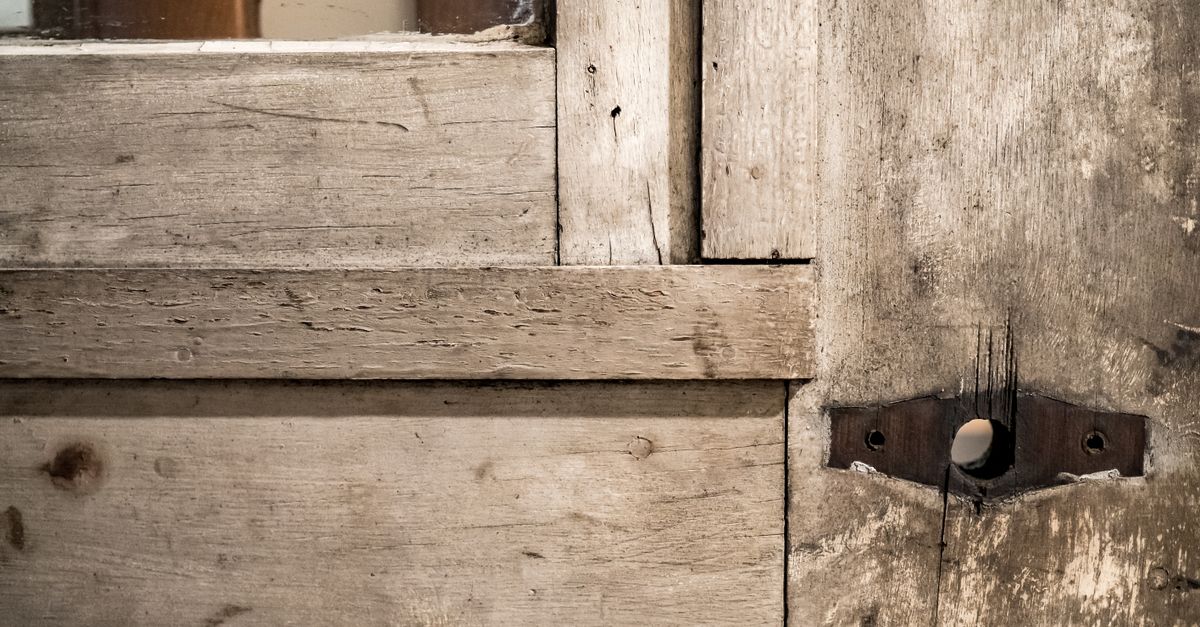
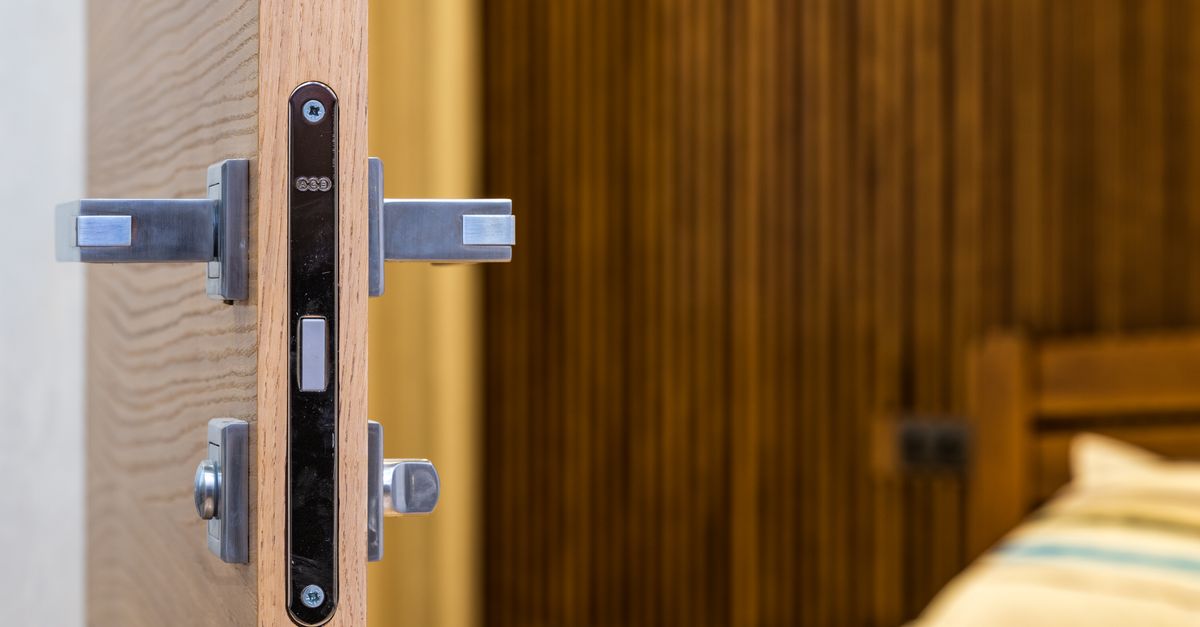
If you own a Colonial, Tudor, or Victorian home along Washington Street, Cliff Road, or any of Wellesley's tree-lined historic neighborhoods, there's a good chance your front door swings on hardware that was installed decades before your parents were born — and that the lock keeping your family safe is a mortise lock. These cast-iron or brass mechanisms built into a pocket (or "mortise") cut into the door stile were the industry standard in American residential construction from roughly the 1880s through the 1960s, which covers a huge share of Wellesley's housing stock. They are elegant, they are robust, and when they finally start to fail — stiff cylinders, broken tailpieces, keys that turn but don't latch — most homeowners have no idea where to begin.
This guide is written specifically for Wellesley homeowners who are living with original or replacement mortise locks and want real answers: why these locks are so common here, what goes wrong with them, when a repair makes sense versus a full upgrade, and when it's time to stop wrestling with the hardware and call a professional locksmith. Jemmy Locksmith is a 24/7 mobile locksmith serving Wellesley, MA and the surrounding area — our team works with mortise lock systems every week, in homes that range from Wellesley Hills Craftsmans to post-war Capes tucked off Route 9.
## Why So Many Wellesley Colonials Have Mortise Locks — and Why That Still Matters
Wellesley was largely built out between 1890 and 1960, a period when mortise locks were the dominant residential hardware choice. A mortise lock is a self-contained unit — latch bolt, dead bolt, and sometimes a privacy function — all housed inside a single rectangular case that sits recessed within the door itself. Because the mechanism is inside the door rather than bolted to the surface, a properly installed mortise lock distributes force across a much wider section of the door stile, making it inherently more resistant to kick-in attempts than a standard cylindrical knob lock or even many modern deadbolts. Builders of the era specified them precisely because they were the premium option. Walk down Abbott Road or along the streets bordering Hunnewell Field and you will still find original mortise hardware on doors that have been opening and closing reliably for eighty or ninety years.
That durability is a double-edged situation for today's homeowner. On one hand, these locks have already outlasted most modern hardware. On the other hand, the internal components — springs, tailpieces, cam levers, and cylinder plugs — eventually wear out, and replacement parts are not on the shelf at your local hardware store. The cylinder (the part that reads your key) is almost always a proprietary size, and the escutcheon plates and knobs may be antique brass or porcelain that cannot simply be swapped for a modern knob lock without leaving visible damage or structural gaps in the door. Understanding what you have is the first step toward making a smart repair or upgrade decision.
## What Goes Wrong: Common Mortise Lock Failures and How to Read Them
The most frequent complaint we hear from Wellesley homeowners is that the key turns but nothing happens — the bolt doesn't throw, or it throws only partway. This almost always points to a worn or broken cam inside the mortise case. The cam is a small rotating arm that converts the turning motion of the cylinder into linear movement of the bolts. After decades of use (and often decades without lubrication), cams crack, bend, or simply strip. A secondary symptom is a knob or lever that spins freely without retracting the latch — this signals a broken tailpiece or a stripped connection between the knob spindle and the latch mechanism inside the case. Neither failure is an emergency on its own, but both mean your door is either stuck shut or cannot be secured, and both require removing the mortise case to repair.
Other common issues include frozen cylinders (usually caused by years of accumulated grime, paint overspray from exterior painting projects, or mild corrosion), worn keys that no longer align the pin stacks correctly, and cracked or missing strike plates that allow the bolt to wander rather than seat cleanly. If your door has settled over the years — which is very common in older Wellesley homes with plaster walls and original wood framing — you may also find that the bolt no longer lines up with the strike plate at all, causing the door to feel loose even when locked. Before assuming the lock itself is the problem, check for a gap or offset between the bolt and the strike box; sometimes a simple strike plate adjustment or door re-hanging solves what looks like a lock failure.
## Repair vs. Replace: Making the Right Call for Your Historic Door
The repair-versus-replace question comes up in almost every mortise lock service call we run in Wellesley, and the answer is rarely one-size-fits-all. If the mortise case itself is structurally sound — meaning the body isn't cracked and the bolt channels are clean — then re-keying the cylinder, replacing a broken cam or tailpiece, and relubing the internal mechanism is usually the most sensible path. Quality antique mortise hardware is genuinely worth preserving. A cast-iron Corbin or Yale mortise case from 1935 is often heavier and better machined than mid-range replacement options, and it fits an existing mortise pocket perfectly, eliminating any need to modify the door.
When replacement does make sense — for example, if the case is cracked, the bolt throws are too short for modern security standards, or you want keyless entry capability — a skilled locksmith can often retrofit a modern mortise lock body into the existing mortise pocket, keeping the original door intact. Alternatively, a high-security cylindrical deadbolt can be added to the door as a secondary lock while the original mortise hardware is retained in a passage (unlocked) function for aesthetics. If you are considering any of these paths and want a straight answer on what your specific door needs, call us at (000) 000-0000 — we can assess the lock in person and give you an exact, up-front price before we touch anything. Factors that shape the final cost include the age and type of the mortise case, whether replacement parts need to be sourced, the time of day, and how far we're traveling to reach you.
## Emergency Locksmith Situations: Locked Out of a Home with a Mortise Lock
Being locked out of a home secured by a mortise lock presents a different set of challenges than a standard cylindrical knob lock lockout. Because the latch and deadbolt are both contained inside the mortise body, there is no simple shimming technique that works on these locks — and that is by design. If you find yourself locked out of your Wellesley home, the first practical steps are always the same: check every other entry point (back door, side door, garage entry, or a window that may have been left unlocked), and check with a trusted neighbor or family member who may hold a spare key. Many Wellesley homeowners with older homes also have an older-style door knob lock on a secondary entry that uses different hardware and may provide an alternative.
If no alternative entry is available, the right call is a professional locksmith — not an attempt to force entry, which risks damaging a door that may be irreplaceable or historically significant. A trained locksmith will verify your identity and proof of residence before beginning work, then use professional techniques appropriate to the specific lock and situation. We are available every hour of every day for exactly these moments. When you call (000) 000-0000, we'll confirm your location, let you know our estimated arrival time, and walk you through what to expect before we arrive. One honest note: certain high-security cylinders — particularly those with anti-pick, anti-drill, and anti-bump features — do take more time and specialized tools to open non-destructively, which is one of the factors that influences the final service cost. We always explain this before starting work.
## Upgrading Your Mortise Lock: Security Options That Preserve Wellesley's Character
For homeowners who want improved security without gutting the look of an original door, there are genuinely good modern options that work within the mortise form factor. High-security cylinder replacements — including brands like Medeco or Abloy — can be fitted into most antique mortise cases, upgrading the key-control and pick-resistance of the lock without changing anything visible from outside the door. These cylinders use patented keyways and restricted key blanks, meaning keys cannot be duplicated at a hardware store without your authorization. For homeowners on a longer street like Oakland or Weston Road where foot traffic is higher, or for those who travel frequently and want peace of mind, this is often the most practical single upgrade available.
For homeowners who want smart-lock functionality — remote access, entry logs, or the ability to share digital keys with housekeepers or contractors — there are modern mortise lock bodies that accept Z-Wave or Zigbee smart modules while still fitting a standard mortise pocket. These are more common in commercial locksmith applications but are increasingly requested in upscale residential settings. Our team can advise on compatibility with your specific door and pocket dimensions. Whatever direction you choose, the goal is a lock that matches the character of your home, meets your actual security needs, and works reliably for another fifty years — not a product upsell. Call us at (000) 000-0000 any time to talk through the options, and we will give you a clear, honest assessment before any commitment is made.
## Jemmy Locksmith Wellesley: Services We Provide Every Day
Our mobile team handles a wide range of residential, automotive, and commercial locksmith needs across the Wellesley area. Here is a specific list of services we perform regularly: mortise lock repair and restoration, mortise lock case replacement, antique lock re-keying, high-security cylinder upgrades, smart lock installation, deadbolt installation and reinforcement, knob lock and lever set replacement, door knob lock repair, strike plate repair and reinforcement, master key system design, key duplication for restricted and standard keyways, broken key extraction, lock-out service for homes, lock-out service for cars and trucks, transponder key programming, car key replacement, ignition repair and replacement, safe opening and combination changes, padlock removal and replacement, security assessment and consultation, door frame and jamb reinforcement, sliding door and patio door lock upgrade, window lock installation, garage entry door lock service, and re-keying an entire home after a move or lease change. If a service you need is not on this list, call us — if it involves locks, keys, or entry hardware, there is a strong chance we handle it.
Frequently asked questions
What is a locksmith call-out fee, and what determines the cost for a mortise lock service in Wellesley?+
A call-out or service fee is the baseline charge a locksmith applies for traveling to your location and showing up ready to work, separate from the cost of the actual labor or parts. For mortise lock work specifically, the total cost is shaped by several factors: the age and condition of the lock (antique cases sometimes require sourced parts rather than off-the-shelf stock), whether the job is a straightforward re-key or a full case replacement, the time of day (evening, overnight, and weekend calls typically carry a higher rate), and how far we are traveling to reach you. At Jemmy Locksmith, we always confirm an exact, up-front price before any work begins — there are no surprise charges added at the end of the job.
Can a locksmith open a mortise lock, and are there locks that even a professional cannot open non-destructively?+
Yes, a trained locksmith can open most mortise locks non-destructively, though the technique and time required depend heavily on the cylinder type installed. Standard antique mortise cylinders are generally straightforward. However, modern high-security cylinders with anti-pick pins, anti-bump features, and hardened inserts are specifically engineered to resist non-destructive opening — that is their value proposition. In some cases, even a skilled locksmith's most practical option is a controlled destructive entry (drilling out the cylinder), followed by a cylinder replacement. We always assess the lock first and explain your options clearly, including what is and is not feasible without damage, before we proceed.
Can a locksmith simply unlock a door without proof that I own or rent the property?+
A reputable locksmith will always verify that you have a legitimate right to enter before opening a door. This is standard professional practice, not bureaucratic friction. In a residential lockout, we typically ask for a photo ID matching the address, and we may ask a couple of questions to confirm familiarity with the property. This step protects you as much as it protects us — it ensures that nobody can call a locksmith to open your home without your knowledge. We take this verification seriously on every call, including mortise lock lockouts in Wellesley, where many of the homes are owner-occupied long-term and a record of the service should always trace back to the rightful resident.
Are the old mortise locks in Wellesley Colonials actually secure, or should I replace them entirely?+
Original mortise locks are mechanically robust — the case design itself is inherently strong — but the cylinders installed in the 1930s through 1960s are not up to modern pick-resistance or bump-resistance standards. The honest answer is that the case can almost always stay; it is the cylinder that benefits most from a modern upgrade. A high-security cylinder replacement restores or exceeds contemporary security standards while preserving the original hardware and avoiding any need to modify a door that may be architecturally significant. We assess each lock individually and give you a straightforward recommendation based on the actual condition and your specific security goals — not based on what generates the largest invoice.